YOU WON'T BELIEVE THIS ADDRESS: Inside Epstein's Manhattan Mansion Of Depravity – Full Leak Inside!
What secrets could possibly lurk behind the polished facade of one of Manhattan's most prestigious addresses? When Jeffrey Epstein's Upper East Side mansion was raided in 2019, investigators uncovered far more than they bargained for—a labyrinth of surveillance, depravity, and secrets that would ultimately contribute to the collapse of his entire criminal enterprise. This is the inside story of how one of New York's most infamous addresses became the epicenter of one of the most shocking scandals of our time.
The Man Behind the Mansion: Jeffrey Epstein's Rise and Fall
Jeffrey Epstein, born in 1953 in Brooklyn, New York, was a financier and convicted sex offender whose wealth and connections allowed him to operate in elite circles for decades. His journey from math teacher to Wall Street trader to billionaire financier remains shrouded in mystery, with many questioning the true source of his wealth.
Full Name: Jeffrey Edward Epstein
Born: January 20, 1953, Brooklyn, New York
Died: August 10, 2019, Metropolitan Correctional Center, New York City
Education: Cooper Union (dropped out), Courant Institute of Mathematical Sciences at NYU (attended but did not complete degree)
Occupation: Financier, convicted sex offender
Known For: Sex trafficking, connections to powerful individuals, mysterious wealth
- Tony Shalhoub
- Adrian Paul
- Jessica Alba
- Shocking Sex Tape Leak Epstein Faked His Death And Is Hiding Now
- Did Matt Dillon And Diane Lane Date
Epstein's Manhattan mansion at 9 East 71st Street became the physical manifestation of his power and influence—a seven-story, 21,000-square-foot townhouse that was once the largest privately-owned residence in New York City.
Surveillance Cameras Hidden Inside Clocks: The Eyes Never Sleep
From the moment you enter Jeffrey Epstein's Manhattan mansion, you would have been under constant surveillance. Investigators discovered that Epstein had installed an extensive network of hidden cameras throughout the property, with many cleverly disguised inside everyday objects like clocks, smoke detectors, and even decorative items.
These weren't ordinary security cameras—they were part of a sophisticated surveillance system designed to capture every movement, every conversation, and potentially every illicit encounter that occurred within those walls. The cameras were strategically placed in bedrooms, hallways, and common areas, creating a comprehensive monitoring system that would have made even the most paranoid security expert envious.
- The Dark Truth About Jeffrey Epsteins Height A Foot Measurement That Will Haunt You
- Gina Wap Leaks
- Trumps Iq
- Nicole Kidman Plastic Surgery
- Emma Digiovine
The clock cameras, in particular, represented a disturbing level of premeditation. Who places surveillance devices in the private spaces of their own home? The answer suggests someone who either wanted to protect themselves from accusations or, more chillingly, to collect compromising material on influential visitors. Some investigators speculate that Epstein may have been building a blackmail operation, using the footage to control powerful individuals who visited his properties.
The Mansion's Transformation: From Symbol of Power to Evidence Exhibit
The mansion, once a symbol of untouchable power, became exhibit A in the unraveling of Epstein's empire. When federal agents executed the search warrant on July 6, 2019, they seized thousands of items including photographs, CDs, computers, and other electronic devices. The raid marked a turning point in the investigation, showing that even in the heart of Manhattan's wealthiest neighborhood, secrecy could be pierced.
The transformation of this address from a private sanctuary to a crime scene investigation site represents a dramatic fall from grace. For years, the mansion stood as a testament to Epstein's wealth and connections, hosting lavish parties attended by celebrities, politicians, and business leaders. The property's value—estimated at over $50 million—belied the darkness that allegedly occurred behind its doors.
During the raid, agents discovered disturbing evidence that would become crucial to the federal case against Epstein. Among the seized items were photographs of young women and girls, some appearing to be minors, along with documents that would help prosecutors build their case. The mansion's transformation from a symbol of elite privilege to a repository of criminal evidence sent shockwaves through New York's social and financial circles.
The Raid That Changed Everything: Manhattan's Wealthy Neighborhood No Longer Untouchable
Its raid marked a turning point, showing that even in the heart of Manhattan's wealthiest neighborhood, secrecy could be pierced. The July 6, 2019, raid on Epstein's mansion was not just a law enforcement operation—it was a statement that no one, regardless of their wealth or connections, was above the law.
The execution of the search warrant required months of careful planning and coordination between multiple law enforcement agencies. Agents from the FBI and the New York Police Department arrived at the mansion early in the morning, catching any occupants by surprise. The scale of the operation reflected the seriousness of the allegations and the importance of gathering evidence before Epstein could potentially destroy it.
What made this raid particularly significant was its location. The Upper East Side of Manhattan is known for its concentration of wealth, power, and influence. The fact that federal agents could execute such a high-profile raid in this neighborhood sent a clear message: privilege and status would not protect those engaged in criminal activity. The operation demonstrated that law enforcement had the resources and determination to investigate crimes regardless of where they occurred or who was involved.
Inside the Walls: Unseen Letters and Photographs Revealed
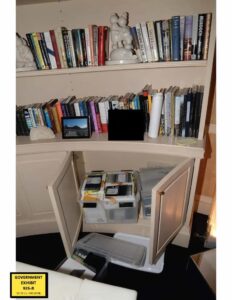
Previously unseen letters to Jeffrey Epstein, along with photographs from inside his NYC mansion, were published by the New York Times, offering unprecedented insight into the inner workings of his world. These documents, obtained through legal channels after the raid, provided a window into Epstein's relationships with powerful figures and the operations of his criminal enterprise.
The letters revealed a network of correspondence with influential individuals across various industries. Some were business-related, discussing financial matters and potential investments, while others appeared to be more personal in nature. The photographs, meanwhile, painted a disturbing picture of life inside the mansion, showing young women in various states of undress and capturing moments that would later become crucial evidence in criminal proceedings.
Among the most shocking revelations were photographs that appeared to document illegal activities. These images, carefully cataloged and timestamped, provided prosecutors with visual evidence to support witness testimony. The publication of these materials by major news outlets marked a turning point in public understanding of the scope and nature of Epstein's alleged crimes.
The Architecture of Secrecy: How the Mansion Was Designed for Deception
The seven-story structure at 9 East 71st Street was more than just a luxurious residence—it was a carefully designed environment that facilitated Epstein's alleged criminal activities. The mansion's layout included multiple bedrooms, private elevators, and hidden passageways that allowed for discreet movement throughout the property.
The interior design choices were equally telling. Many rooms featured themes of opulence and excess, with imported marble, rare artworks, and custom furnishings. However, beneath this veneer of luxury lay a more sinister purpose. The bedrooms were equipped with specialized lighting and mirrors, while some rooms contained medical examination tables—items that raised serious questions about their intended use.
The mansion's location on the Upper East Side also played a role in its effectiveness as a base for criminal operations. The prestigious address provided a shield of respectability, making it less likely that neighbors would question the activities occurring within. The property's high walls and secure entrances created a fortress-like atmosphere that both protected Epstein's privacy and potentially trapped his victims.
The Network of Complicity: Who Knew What Happened Inside?
One of the most troubling aspects of the Epstein case is the question of how many people were aware of what was happening inside the mansion. The property employed a staff that included housekeepers, security personnel, and other service providers who would have had regular access to the premises.
The surveillance system itself required technical expertise to install and maintain, suggesting that multiple individuals had knowledge of its existence. Similarly, the mansion's unusual features—from the medical equipment to the specialized rooms—would have been noticed by those working in the building.
This raises difficult questions about complicity and the culture of silence that may have surrounded Epstein's activities. In elite social circles, there is often tremendous pressure to maintain appearances and avoid scandal. The willingness of powerful individuals to associate with Epstein, despite rumors and allegations, suggests a level of willful blindness that allowed his alleged crimes to continue for years.
The Aftermath: What Happened to Epstein's Manhattan Mansion?
Following Epstein's death in August 2019 while in federal custody, questions arose about the future of his properties, including the Manhattan mansion. The property, which had been at the center of a massive criminal investigation, became the subject of legal proceedings related to his estate.
In 2020, the mansion was put up for sale, with the asking price reflecting its unique status and location. The sale process itself became complicated by the property's history and the ongoing investigations into Epstein's activities. Potential buyers had to grapple with the mansion's dark past and the possibility of continued scrutiny from law enforcement and the media.
The ultimate fate of the mansion serves as a reminder that properties associated with criminal activity can carry a lasting stigma. Even if the new owners have no connection to Epstein's alleged crimes, they must contend with the building's history and the public's awareness of what occurred there.
Conclusion: The Legacy of a House of Horrors
The story of Jeffrey Epstein's Manhattan mansion is more than just a tale of one man's alleged crimes—it's a reflection of how wealth, power, and privilege can create environments where abuse can flourish unchecked. The surveillance cameras hidden in clocks, the unseen letters and photographs, and the mansion's transformation from symbol of power to evidence exhibit all point to a system that allowed criminal behavior to persist for years.
The raid on this prestigious address demonstrated that even the most privileged among us are not beyond the reach of justice. It showed that the walls of secrecy surrounding elite institutions and individuals could be breached, and that the truth, no matter how uncomfortable, would eventually come to light.
As we continue to grapple with the full implications of the Epstein case, the mansion at 9 East 71st Street stands as a sobering reminder of the importance of vigilance, the power of investigative journalism, and the necessity of holding even the most powerful individuals accountable for their actions. The secrets that emerged from those walls have forever changed how we view wealth, privilege, and the systems that protect the powerful at the expense of the vulnerable.