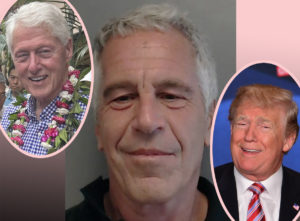
Sex Trafficking Leaks: The Secret Evidence That Trapped Jeffrey Epstein
What really happened behind the scenes of the Jeffrey Epstein investigation? The shocking truth about sex trafficking leaks reveals a complex web of evidence that investigators uncovered, yet struggled to fully expose. When federal authorities finally closed in on the notorious financier, they discovered a trail of damning proof that would ultimately lead to his downfall - but not before Epstein allegedly took extraordinary measures to conceal crucial evidence for over a decade.
The Man Behind the Scandal: Jeffrey Epstein's Biography
Jeffrey Edward Epstein was born on January 20, 1953, in Brooklyn, New York. A former math teacher turned financier, Epstein built a fortune through his wealth management firm, allegedly serving clients like Leslie Wexner, the billionaire founder of Victoria's Secret. His lavish lifestyle included multiple properties, a private jet nicknamed the "Lolita Express," and connections to some of the world's most powerful figures.
| Personal Details | Information |
|---|---|
| Full Name | Jeffrey Edward Epstein |
| Date of Birth | January 20, 1953 |
| Place of Birth | Brooklyn, New York |
| Occupation | Financier, convicted sex offender |
| Education | Cooper Union (dropped out), Courant Institute of Mathematical Sciences at NYU (attended) |
| Net Worth | Estimated $500 million - $1 billion at peak |
| Death | August 10, 2019 (suicide in federal custody) |
| Known Associates | Bill Clinton, Donald Trump, Prince Andrew, Bill Gates, and numerous other high-profile individuals |
FBI Investigation Reveals Sexual Abuse Evidence But Limited Trafficking Proof
According to an Associated Press review of internal Justice Department records, FBI investigators collected substantial evidence that Jeffrey Epstein sexually abused multiple underage girls. However, the records reveal they found scant evidence he operated a sophisticated sex trafficking ring serving powerful men as initially alleged.
- Judge Joe Brown Son
- Epsteins Nude Movie Collection Viral Leak Reveals Dark Secrets
- Alex Padilla Yamal Nudes
- Did Matt Dillon And Diane Lane Date
- David Lee Roth
The investigation, which began in earnest around 2006, uncovered dozens of victims who came forward with disturbing accounts of abuse. FBI agents documented patterns of Epstein recruiting young girls, often from vulnerable backgrounds, to provide "massages" at his Palm Beach mansion. Many victims reported being paid hundreds of dollars for these encounters, only to be pressured into increasingly sexual activities.
Despite the volume of abuse allegations, investigators struggled to prove the existence of a coordinated trafficking operation. The distinction between individual sexual abuse cases and organized sex trafficking proved crucial in building the federal case. While Epstein clearly engaged in the sexual exploitation of minors, the evidence for a broader conspiracy involving multiple high-profile clients remained elusive.
Hidden Evidence: Epstein's Decade-Long Cover-Up Operation
New documents suggest Jeffrey Epstein went to extraordinary lengths to hide computers, files, and other key materials for over a decade, potentially concealing crucial evidence of his sex trafficking crimes from investigators. This sophisticated concealment operation raises serious questions about what information may have been lost or deliberately destroyed.
- Ngalap Barokah Karomah
- Overwatch Transformers Collab
- 1980 Epstein Scandal Nude Photos And Secret Videos Finally Released
- Cillian Murphy Relationships
- Ryan Paevey
The scope of Epstein's hiding operation was far more extensive than initially believed. Court documents and investigative reports indicate he maintained secret storage lockers across multiple states, where he stashed computers, photographs, and other sensitive materials. This wasn't merely hiding personal items - it was a calculated effort to obstruct justice and protect co-conspirators.
Investigators believe Epstein may have used these hidden caches to store blackmail material, client lists, and detailed records of his criminal activities. The fact that these materials remained undiscovered for so long suggests either a highly sophisticated concealment strategy or potential assistance from others in maintaining these secret repositories.
Secret Storage Lockers Across America
Jeffrey Epstein hid computers and photographs from United States authorities in secret storage lockers across the country, according to investigative reports by The Telegraph. These hidden stashes represented a critical vulnerability in the government's case against him and may have contained evidence that could have implicated other powerful figures.
The storage lockers were reportedly located in multiple states, with some containing encrypted hard drives, photographs of underage victims, and detailed financial records. Investigators believe Epstein may have used a network of associates to maintain these facilities, paying for them in cash or through shell companies to avoid detection.
This widespread concealment effort demonstrates Epstein's awareness of the severity of his crimes and his determination to protect himself and his associates. The existence of these hidden materials raises troubling questions about whether all relevant evidence was ever recovered and whether some of it might still be missing.
The Epstein Files Transparency Act and Public Access
In response to growing public demand for transparency, Congress passed the Epstein Files Transparency Act, establishing a dedicated website to house materials responsive to public records requests. This site represents a significant step toward accountability, though its contents remain limited by what investigators were able to recover.
The transparency portal, which continues to be updated as additional documents are identified for release, provides public access to court filings, flight logs, and other evidence related to the Epstein case. However, the limited scope of available materials has frustrated victims' advocates and journalists who believe much more information exists but remains hidden from public view.
Content Advisory and Sensitive Material
The public archive contains descriptions of sexual assault and other disturbing content related to Epstein's crimes. As such, the site includes multiple warnings advising that certain portions may not be appropriate for all readers. This content advisory reflects the horrific nature of the crimes documented in the released materials.
The graphic nature of the evidence serves as a stark reminder of the real human cost of Epstein's actions. Victims' testimonies, when read in full, paint a devastating picture of manipulation, abuse, and long-term trauma. The decision to make these materials publicly available, while necessary for transparency, comes with the responsibility to handle them with appropriate sensitivity.
Investigation Records and Public Documentation
Here are the records about the investigation of Jeffrey Epstein that have been released by investigators and lawmakers. These documents provide crucial insights into how authorities built their case against the financier and what evidence ultimately led to his conviction on state charges in 2019.
The released records include plea agreements, court transcripts, victim impact statements, and investigative reports that detail the scope of Epstein's criminal enterprise. However, many documents remain heavily redacted, and significant gaps exist in the timeline of evidence collection and prosecution decisions.
The Epstein Document Archive: A Comprehensive Resource
The Epstein Document Archive represents a comprehensive collection of publicly available documents, court filings, flight logs, and evidence related to the Jeffrey Epstein case. This archive serves as an invaluable resource for researchers, journalists, and the public seeking to understand the full scope of Epstein's crimes and the investigation that followed.
The archive includes thousands of pages of material, from early police reports to federal court filings. Among the most significant documents are flight logs from Epstein's private planes, which have been scrutinized for potential connections to other high-profile individuals. The archive also contains photographs, victim testimonies, and correspondence between investigators and prosecutors.
New Revelations Challenge Official Narratives
Recent Epstein files reveal he may have trafficked girls to others despite official denials, prompting questions about officials' contentions that there isn't sufficient evidence to investigate broader trafficking operations. These new revelations suggest the initial investigations may have been more limited in scope than the crimes warranted.
The emergence of new evidence has led to calls for renewed investigations and greater scrutiny of how the original case was handled. Critics argue that the sweetheart plea deal Epstein received in 2008, which allowed him to serve only 13 months in a private wing of the Palm Beach County jail, represented a failure of justice that protected both Epstein and potentially his co-conspirators.
The Scope of Epstein's Operations
Understanding the full extent of Jeffrey Epstein's criminal activities requires examining the sophisticated nature of his operations. Beyond the individual acts of abuse, Epstein created a network that involved recruiters, handlers, and facilitators who helped him identify and groom victims.
The operation relied on targeting vulnerable young women, often from disadvantaged backgrounds, promising them legitimate employment opportunities. Once recruited, victims were subjected to escalating abuse and manipulation. The systematic nature of these crimes, combined with Epstein's wealth and connections, created a perfect storm for exploitation that went undetected for years.
The Role of Technology in Concealing Evidence
Epstein's use of technology to hide evidence represents a modern twist on criminal obstruction. The secret storage of computers and encrypted devices across multiple states suggests a sophisticated understanding of digital forensics and law enforcement investigation techniques.
Investigators believe Epstein may have used encrypted messaging apps, anonymous email accounts, and hidden volumes on computer drives to communicate with co-conspirators and store sensitive information. The challenge of recovering this digital evidence, especially from devices that may have been destroyed or remain hidden, continues to hamper full understanding of the case.
Victims' Stories and Long-Term Impact
The human cost of Epstein's crimes extends far beyond the immediate abuse. Victims have spoken publicly about the long-term psychological trauma, trust issues, and ongoing struggles with mental health that resulted from their exploitation. Many were as young as 14 when first approached by Epstein's recruiters.
The stories of survivors reveal patterns of manipulation that went beyond physical abuse. Epstein and his associates often used financial incentives, promises of career opportunities, and sophisticated grooming techniques to maintain control over victims. The power imbalance, combined with threats and intimidation, created an environment where many victims felt unable to come forward for years.
The Investigation's Shortcomings
Questions continue to swirl around the original investigation's effectiveness and the decisions made by prosecutors. The 2008 plea deal, which has been widely criticized as excessively lenient, allowed Epstein to avoid federal charges despite substantial evidence of sex crimes involving minors.
The deal's non-prosecution agreement, which was kept secret from victims in violation of federal law, has been described as unprecedented in its scope. It not only protected Epstein but also potentially shielded any co-conspirators from prosecution. The handling of this case has led to broader discussions about how wealth and influence can impact the criminal justice system.
Ongoing Investigations and Unanswered Questions
Despite Epstein's death in August 2019 while awaiting federal trial, investigations into his crimes and associates continue. Prosecutors have emphasized that Epstein's death does not end the investigation, and efforts to identify and prosecute any co-conspirators remain active.
The search for additional evidence, including the still-missing materials Epstein allegedly hid, continues through both law enforcement efforts and public pressure for transparency. The existence of secret storage lockers and hidden digital evidence suggests that the full story of Epstein's crimes may never be completely known.
Legal and Policy Implications
The Epstein case has sparked significant changes in how sexual abuse cases are investigated and prosecuted. Legislative efforts to close loopholes that allowed Epstein's lenient plea deal have gained momentum, with several states passing "Jeffrey Epstein laws" to strengthen protections for trafficking victims.
The case has also highlighted the need for better coordination between federal and state authorities in complex trafficking investigations. The initial failure to pursue federal charges despite substantial evidence has led to reforms in how prosecutors evaluate and handle cases involving powerful defendants.
The Search for Justice Continues
For victims and their advocates, the pursuit of justice extends beyond Epstein himself. The question of who else may have been involved in or aware of his crimes remains a central focus of ongoing investigations and public interest.
The release of additional documents through transparency efforts has provided some answers but also raised new questions about the scope of Epstein's operations and the potential involvement of others. As more information becomes available, the full picture of this complex criminal enterprise continues to emerge.
Conclusion
The Jeffrey Epstein case represents one of the most disturbing examples of sexual exploitation and trafficking in modern American history. The evidence uncovered by investigators, combined with the sophisticated efforts Epstein made to conceal his crimes, paints a picture of systematic abuse enabled by wealth, influence, and institutional failures.
While significant progress has been made in bringing some aspects of these crimes to light through transparency efforts and ongoing investigations, many questions remain unanswered. The secret storage of evidence, the potential involvement of co-conspirators, and the full scope of Epstein's operations may never be completely understood.
What is clear is that the Epstein case has fundamentally changed how society views sex trafficking, the role of wealth in the justice system, and the importance of protecting vulnerable individuals from exploitation. As investigations continue and more documents are released, the search for truth and justice in this case remains ongoing, serving as a reminder that even the most powerful individuals can be held accountable for their crimes.