Jeffries' Epstein Email Bombshell: Democrats Panic As Nude Photo Demands Surface!
The Jeffrey Epstein scandal has resurfaced with a vengeance, leaving Democrats scrambling to control the narrative as bombshell emails and photographs threaten to unravel years of political damage control. What began as a calculated political move has rapidly spiraled into a crisis of unprecedented proportions, with House Oversight Committee Democrats now facing intense scrutiny over their selective document releases and questionable timing.
The latest revelations have sent shockwaves through Washington, as emails allegedly from Epstein's estate suggest troubling connections between the disgraced financier and some of America's most powerful figures. But the most explosive claim - that President Trump "knew about the girls" - has sparked a fierce battle over context, credibility, and political motivation. As demands for complete transparency grow louder, Democrats find themselves caught between their pursuit of accountability and the very real possibility that their actions may have backfired spectacularly.
The Jeffrey Epstein Email Controversy: A Political Earthquake
Democrats Release Controversial Emails
On a dramatic Tuesday afternoon, the House Oversight Committee released an email sent by a Democratic-aligned consulting firm that worked for Representative Hakeem Jeffries, inviting Jeffrey Epstein to a dinner celebrating him in 2013. This revelation immediately raised questions about the timing and motivation behind the document's release, particularly given the ongoing political tensions surrounding the Trump administration.
- Henry Ian Cusick
- Chrissy Teigen Furious Over Epsteins Nude Parties Leaked Footprint Connects Her
- Stephanie White Wife
- You Wont Believe What Was Hidden Inside Jeffrey Epsteins Luminox Watch
- Emma Hayes Partner
The images and emails, released without comprehensive context by Democrats on the House Oversight Committee, revealed little new about the deceased sex offender's ties to prominent men in politics, entertainment, and business. However, the selective nature of these releases has sparked intense debate about transparency and political manipulation. Critics argue that cherry-picking specific documents while withholding others creates a misleading narrative that serves partisan interests rather than the pursuit of truth.
Earlier this week, Democrats on the House Oversight Committee released bombshell emails from the estate of Jeffrey Epstein, reigniting the controversy over the Trump administration's handling of sex trafficking investigations. The timing of these releases, coming amid other political battles, has led many to question whether this is a genuine attempt at accountability or a politically motivated attack designed to damage specific individuals and administrations.
The Trump Connection: Separating Fact from Fiction
Epstein Email Claims and White House Response
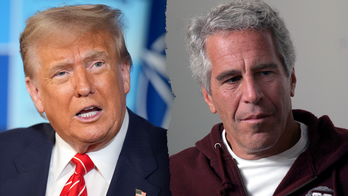
One of the most explosive elements of the controversy centers on emails that allegedly state Jeffrey Epstein claimed that President Donald Trump "knew about the girls." According to emails released on Wednesday by Democrats in the U.S. House of Representatives, convicted sex offender Jeffrey Epstein made this damning assertion about the sitting president.
- Cheryl Hines
- People That Look Like Sophie Rain
- Trevor Noah
- Did Matt Dillon And Diane Lane Date
- Exclusive The Disturbing Truth About Kathie Lee And Jeffrey Epsteins Hidden Relationship
The White House has responded forcefully to these allegations, accusing Democrats of selectively leaking emails from disgraced financier Jeffrey Epstein to create a fake narrative aimed at smearing President Donald Trump. This accusation of political manipulation cuts to the heart of the controversy, raising fundamental questions about the integrity of the document releases and the true motivations behind them.
President Trump, along with Republican lawmakers, has categorically denied that the messages mean he knew about any misconduct. Their unified response emphasizes that the emails, taken out of context, represent a politically motivated attack rather than legitimate evidence of wrongdoing. This denial has been echoed across party lines, with many Republicans characterizing the releases as a Democratic smear campaign designed to distract from other political issues.
The Broader Epstein Network
The controversy extends far beyond any single political figure, with the released materials connecting Epstein to a wide network of powerful individuals. President Trump, former President Bill Clinton, and Microsoft co-founder Bill Gates have all been included in the Epstein photo trove released by the House Oversight Committee Democrats. These photographs from Epstein's estate link powerful men to the late convicted sex offender, raising questions about the extent of his influence and connections.
The House Oversight Committee Democrats released photos from Jeffrey Epstein's estate Thursday, marking the latest in a series of intermittent disclosures that have fueled significant political controversy. These releases have created a complex web of associations that extend across party lines and ideological boundaries, making it difficult to characterize the scandal as purely partisan in nature.
Hakeem Jeffries: The Man at the Center of the Storm
Biography and Political Career
Hakeem Sekou Jeffries, born August 4, 1970, in New York City, has emerged as a central figure in the Epstein document controversy. A Democratic member of the U.S. House of Representatives since 2013, Jeffries represents New York's 8th congressional district and has risen to become the House Democratic Leader.
| Category | Details |
|---|---|
| Full Name | Hakeem Sekou Jeffries |
| Date of Birth | August 4, 1970 |
| Place of Birth | New York City, New York |
| Political Party | Democratic |
| Current Position | U.S. Representative for New York's 8th district |
| Assumed Office | January 3, 2013 |
| Education | Binghamton University (BA), Georgetown University (MPP), New York University (JD) |
| Previous Experience | New York State Assembly (2007-2012) |
| Leadership Role | Chair of the House Democratic Caucus (2019-2023) |
The Consulting Firm Connection
The revelation that a Democratic-aligned consulting firm working for Jeffries invited Epstein to a dinner in 2013 has added another layer of complexity to the controversy. This connection raises questions about the extent of Epstein's social and political networking, as well as the judgment exercised by those who associated with him during his active years.
Jeffries has emphasized that survivors and the American people deserve complete transparency while pressuring the Justice Department to release all Epstein investigation files before December 19. This call for comprehensive disclosure stands in stark contrast to the selective releases that have characterized much of the current controversy, highlighting the tension between political strategy and genuine accountability.
The Demand for Complete Transparency
Pressure on the Justice Department
The controversy has intensified demands for the Justice Department to release all Epstein investigation files, with a December 19 deadline looming for comprehensive disclosure. This pressure reflects growing frustration with the piecemeal release of documents and photographs that has characterized the current approach to the scandal.
Survivors of Epstein's abuse have been particularly vocal in demanding complete transparency, arguing that selective releases not only fail to serve justice but may actually retraumatize victims by creating incomplete and potentially misleading narratives. Their advocacy has added moral weight to calls for comprehensive disclosure, challenging both political parties to prioritize truth over tactical advantage.
The demand for complete transparency extends beyond mere political theater, touching on fundamental questions about accountability, justice, and the public's right to know about the activities of powerful individuals. As more documents potentially come to light, the pressure on the Justice Department to act decisively continues to mount.
Political Implications and Strategic Calculations
Democratic Strategy Under Scrutiny
The Democratic strategy of releasing selected Epstein documents has come under intense criticism from multiple angles. Some argue that the selective nature of the releases undermines the credibility of the effort and plays into accusations of political manipulation. Others contend that any release of these materials, regardless of selectivity, serves the important goal of keeping the Epstein scandal in public consciousness.
The political calculations behind these releases are complex and multifaceted. By timing the document releases to coincide with other political battles, Democrats may be attempting to maximize impact and media attention. However, this strategy also carries significant risks, particularly if the selective nature of the releases becomes a dominant narrative that overshadows the underlying substance of the allegations.
The controversy has also exposed divisions within the Democratic Party about how to handle the Epstein scandal. While some members advocate for aggressive document releases and maximum political pressure, others worry about the potential for backlash and the risk of appearing opportunistic rather than principled.
Republican Counteroffensive
Republicans have mounted a vigorous defense against the document releases, characterizing them as politically motivated attacks rather than genuine efforts at accountability. Their unified response, emphasizing context and timing, represents a coordinated effort to undermine the credibility of the Democratic strategy.
The Trump administration's response has been particularly forceful, with the White House accusing Democrats of creating a "fake narrative" through selective document leaks. This counteroffensive extends beyond mere denial, encompassing a broader argument about media bias, political manipulation, and the weaponization of sexual abuse allegations for partisan gain.
Republican lawmakers have also used the controversy to highlight Democratic connections to Epstein, pointing to the consulting firm invitation and other associations as evidence of bipartisan complicity. This approach seeks to neutralize what might otherwise be a politically damaging issue by emphasizing shared responsibility and questioning the motives behind selective releases.
The Path Forward: Truth, Justice, and Political Accountability
Balancing Transparency and Sensitivity
The Epstein document controversy highlights the difficult balance between the public's right to know and the need to handle sensitive materials responsibly. Complete transparency, while serving the goal of accountability, also risks retraumatizing survivors and creating additional harm through the indiscriminate release of disturbing materials.
The path forward requires careful consideration of how to maximize accountability while minimizing additional trauma. This might involve establishing independent review boards, implementing graduated release schedules, or developing protocols for handling sensitive materials that balance competing interests.
The controversy also raises questions about the role of political actors in facilitating transparency. While elected officials have a legitimate interest in oversight and accountability, their involvement in document releases creates inherent tensions between political objectives and the pursuit of truth.
The December 19 Deadline and Beyond
The December 19 deadline for comprehensive Justice Department releases represents a critical juncture in the Epstein controversy. This deadline, whether met or missed, will likely shape the trajectory of the scandal and determine whether the current wave of attention represents a temporary flare-up or a sustained movement for accountability.
The outcome of this deadline will also test the credibility of various actors involved in the controversy. Democratic claims about the importance of transparency will be measured against their willingness to support comprehensive releases that might not serve their immediate political interests. Similarly, Republican calls for context and complete information will be evaluated based on their response to full disclosure.
Beyond the immediate deadline, the Epstein controversy appears likely to continue evolving as more documents potentially emerge and new connections are discovered. The challenge for all involved will be maintaining focus on accountability and justice while resisting the temptation to reduce the scandal to mere political ammunition.
Conclusion: A Watershed Moment in American Political Accountability
The Jeffrey Epstein document controversy represents a watershed moment in American political accountability, exposing the complex interplay between truth, justice, and partisan advantage. What began as a series of document releases has evolved into a multifaceted crisis that challenges fundamental assumptions about transparency, political responsibility, and the handling of sexual abuse allegations.
The controversy has revealed both the power and the limitations of selective document releases as tools for accountability. While these releases have succeeded in keeping the Epstein scandal in public consciousness, their selective nature has also undermined their credibility and fueled accusations of political manipulation. The demand for complete transparency, championed by survivors and advocacy groups, represents a more principled approach that may ultimately prove more effective in achieving genuine accountability.
As the December 19 deadline approaches and the political battle over these documents continues, the Epstein controversy stands as a test of whether America's political institutions can rise above partisan advantage to pursue truth and justice. The outcome of this test will have implications far beyond the immediate scandal, potentially shaping how future cases of political accountability are handled and how survivors of abuse are treated in the public arena.
The path forward requires courage from all involved - the willingness to embrace complete transparency even when it proves politically inconvenient, the commitment to prioritize survivor welfare over tactical advantage, and the recognition that true accountability cannot be achieved through selective releases or partisan manipulation. Only by meeting these challenges can the promise of justice for Epstein's victims be fulfilled and the integrity of America's political institutions be preserved.