BOMBSHELL LEAK: What's Really In Jeffrey Epstein's Book – Nude Evidence, Power, And Corruption!
What secrets could be hidden in Jeffrey Epstein's infamous contact book that has captivated the world for years? The recent release of thousands of documents has reignited public interest in one of the most scandalous cases of sexual exploitation and elite corruption in modern history. As more files continue to surface, the American public is demanding answers about the extent of Epstein's network and the powerful individuals connected to his crimes.
The documents, released by the House Oversight Committee, include exchanges spanning over a decade with dozens of prominent individuals. These revelations have sparked renewed calls for justice and transparency, particularly as survivors continue to speak out about the systemic failures that allowed Epstein's abuse to persist for so long.
Jeffrey Epstein: Biography and Personal Details
Jeffrey Epstein was a financier and convicted sex offender whose crimes shocked the world. Here's a detailed look at his personal information:
- The Dark Truth About Jeffrey Epsteins Height A Foot Measurement That Will Haunt You
- Jackson Family
- Jessica Alba
- 2000 Sex Tape Bombshell Jeffrey Epsteins Darkest Fantasy Exposed
- Shocking Leak Epsteins Illuminati Sex Tapes Exposed
| Detail | Information |
|---|---|
| Full Name | Jeffrey Edward Epstein |
| Date of Birth | January 20, 1953 |
| Place of Birth | Brooklyn, New York, USA |
| Date of Death | August 10, 2019 |
| Place of Death | Metropolitan Correctional Center, New York City |
| Occupation | Financier, convicted sex offender |
| Education | Cooper Union, Courant Institute of Mathematical Sciences (NYU) |
| Known For | Sex trafficking, connections to powerful individuals |
The Release of Epstein Documents: A Timeline
The Long-Awaited Government Release
The material comes after a yearlong bipartisan push for the government to release its files on the Epstein investigation. This sustained pressure from both sides of the political aisle finally resulted in the Department of Justice making thousands of pages of documents public. The release represents a significant victory for transparency advocates who have long argued that the full scope of Epstein's crimes and connections should be exposed to the public.
The House Oversight Committee's release of over 30,000 pages of documents connected to the Epstein investigations came after an August subpoena and represents one of the most comprehensive document dumps in recent memory. These documents include flight logs, contact books, and court records that provide unprecedented insight into Epstein's operations and social circle.
What the Justice Department Has Released
Here is a guide to what the Justice Department has released about its investigation of Jeffrey Epstein and what to look for when more documents drop. The initial releases have included a variety of materials, from FBI diagrams attempting to chart the network of Epstein's victims and the timeline of their alleged abuse, to contact books listing hundreds of individuals who had some connection to the convicted sex offender.
- Trump Is The Antichrist
- Shocking Epsteins Personal Dentist Confesses To Covering Up Sex Parties With Leaked Evidence
- Wade Wilson Before Tattoos
- You Wont Believe What Was Hidden Inside Jeffrey Epsteins Luminox Watch
- Bellingham Religion
The Department of Justice began releasing redacted case files related to the late convicted sex offender Jeffrey Epstein, and Snopes has fielded dozens of claims as people attempt to make sense of the massive document dump. The sheer volume of material has made it difficult for the public to process everything at once, leading to various interpretations and theories about what the documents actually reveal.
Key Revelations in the Documents
The Shocking Contents of Epstein's Files
The 9 most shocking revelations in the Epstein docs include emails released by the House Oversight Committee, which include exchanges with dozens of prominent individuals spanning over a decade. Among the most disturbing findings is evidence that Epstein kept a list of 254 masseuses, many of them underage, according to the released documents. This contact book provides a chilling inventory of Epstein's exploitation network.
A document that was included in the U.S. Department of Justice release of the Jeffrey Epstein files, photographed Monday, Feb. 2, 2026, shows a diagram prepared by the FBI attempting to chart the network of Epstein's victims and the timeline of their alleged abuse. This visual representation helps illustrate the systematic nature of Epstein's operations and the patterns of his criminal behavior.
The Ongoing Document Releases
New records about the infamous sex offender are released seemingly every week, creating a constant stream of new information for investigators, journalists, and the public to analyze. This ongoing release of documents has created a situation where each week brings new potential revelations about Epstein's network and activities.
Here's a quick rundown of who's releasing the Epstein documents, what they contain—and what they're releasing. Multiple entities have taken on the task of releasing Epstein-related documents, including the Department of Justice, the House Oversight Committee, and various court systems. Each release has focused on different aspects of the case, from personal communications to flight records and financial documents.
The Contact Book and Flight Logs
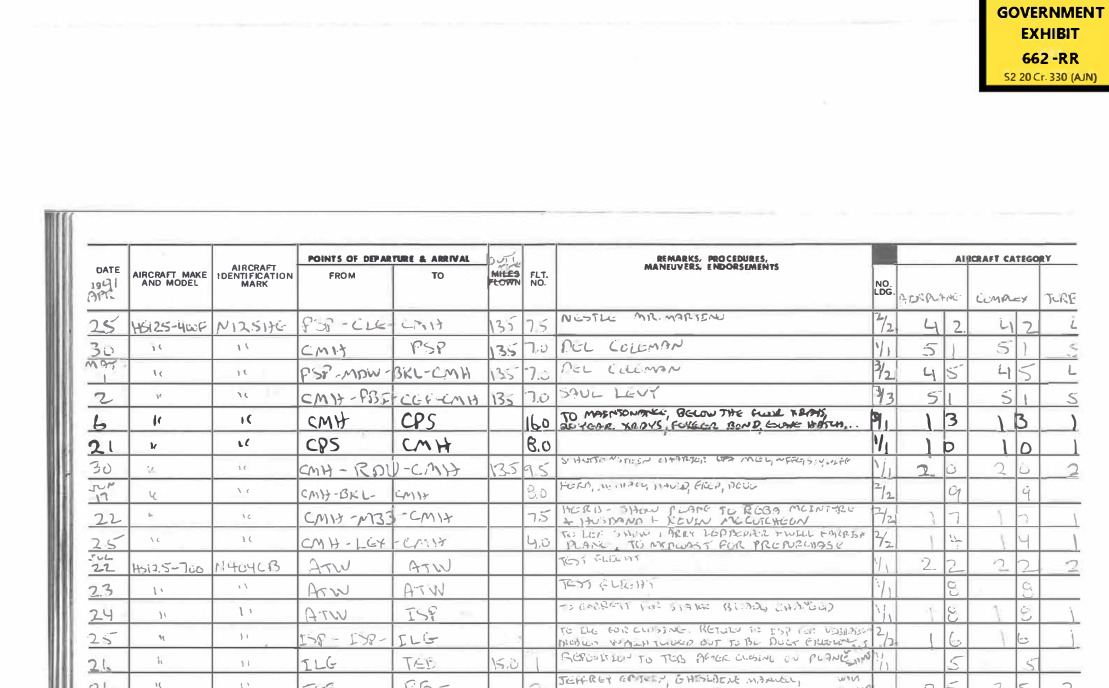
They include Epstein's contacts book, flight logs of his planes, and court documents that provide a comprehensive picture of his operations. The contact book, in particular, has become one of the most scrutinized documents, as it lists hundreds of names of individuals who had some connection to Epstein, whether social, professional, or otherwise.
The contact book made public during the Epstein files phase 1 release in 2025, with the majority of its content redacted, represents just a portion of the total documentation available. The Epstein files are a partially released collection of millions of documents, images, videos, and emails detailing the activities of American financier and convicted child sex offender Jeffrey Epstein, including his social circle of public figures, politicians, and other influential individuals.
The Political Dimension
Government Resistance and Release
Trump and House Speaker Mike Johnson both initially sought to block or delay the release of Epstein documents, creating a political controversy around the transparency of the investigation. This resistance to disclosure raised questions about what powerful interests might be served by keeping Epstein's records sealed.
The move came as Republican leaders pressed colleagues not to force a vote on disclosing all the material, highlighting the internal political tensions surrounding the Epstein case. This political maneuvering has led some observers to question whether there are still powerful forces working to limit the public's access to information about Epstein's crimes and connections.
Trump Administration's Role
The Trump administration touted the release of files in the case of Jeffrey Epstein, the late financier and convicted sex offender, on Thursday. However, critics noted that the documents contained no new revelations, suggesting that the administration's celebration of the release may have been more about political optics than genuine transparency.
Trump told reporters the Epstein files were made up by presidents Barack Obama and Joe Biden and former FBI director James Comey, a claim that has been widely dismissed by fact-checkers and investigators. Here's why that doesn't make sense: the documents and evidence predate the Trump administration and have been the subject of investigations spanning multiple presidential terms.
The Network of Powerful Connections
High-Profile Names in the Documents
Most of the men mentioned in the unsealed documents have already been named in public as having met Jeffrey Epstein, and all deny knowing about his sex trafficking ring. This pattern of denial has become a common theme as more documents surface, with many powerful individuals claiming limited or no knowledge of Epstein's criminal activities despite their documented connections to him.
The trove of papers includes details about Prince Andrew, Bill Clinton, and Stephen Hawking, among others, demonstrating the wide-ranging nature of Epstein's social and professional network. These connections span the worlds of politics, science, entertainment, and business, raising questions about how Epstein cultivated such diverse relationships and what purposes they served.
The Masseuse List and Exploitation Network
The disgraced financier Epstein kept a list of 254 masseuses, many of them underage, the released documents show. This list represents one of the most concrete pieces of evidence of Epstein's systematic exploitation of young women and girls, providing investigators with a roadmap of his criminal operations.
Many of the records and files belong to Epstein's estate, which is run by lawyer Darren Indyke and accountant Richard Kahn. These individuals have been tasked with managing Epstein's assets and responding to various legal claims, including those from survivors seeking compensation for the harm they suffered.
Survivor Voices and Justice Demands
Capitol Hill Testimony
"We know the names," sex trafficking survivors warn as they speak out on Capitol Hill, emphasizing that the true extent of Epstein's network has been known to victims for years. Their testimony has added a crucial human dimension to the document releases, reminding the public that behind every name and every document are real people who suffered unimaginable trauma.
Missing minute in Jeffrey Epstein jail security video revealed in document dump has become another point of controversy, with survivors and their advocates arguing that this gap represents a potential cover-up of circumstances surrounding Epstein's death. The security footage gap has fueled conspiracy theories and demands for a more thorough investigation into how Epstein died while in federal custody.
The Deadline for Release
Friday is the legal deadline for the US Department of Justice to release its material on the late convicted sex offender and financier. This deadline has created a sense of urgency around the document releases, with various stakeholders pushing for complete transparency before the mandated cutoff date.
The pressure to meet this deadline has resulted in massive document dumps that are difficult for even experienced investigators to fully process. The sheer volume of material has led to concerns that important details might be overlooked in the rush to comply with legal requirements.
The 50th Birthday Album Controversy
Signature Scrutiny
Donald Trump's signature is under scrutiny in a distinctly unpresidential matter as the House Committee released Jeffrey Epstein's 50th birthday album, which includes two documents purportedly signed by Trump. This release has reignited interest in Trump's connections to Epstein, despite the former president's claims of limited association with the convicted sex offender.
Here's what we already knew about Trump and Epstein's relationship: they were known to socialize in the same circles in New York and Palm Beach, and there are photographs of them together at various events. However, Trump has consistently maintained that he had a falling out with Epstein and that their relationship was not as close as some have suggested.
What the Documents Actually Reveal
Limited New Information
Most of what was released on Tuesday was not new, according to investigators and journalists who have been following the Epstein case closely. This lack of groundbreaking revelations has led some to question whether the document releases represent genuine transparency or merely a political maneuver to satisfy public demand for information without actually exposing new wrongdoing.
The pattern of releasing documents that largely confirm information already in the public domain has created frustration among Epstein's victims and their advocates, who argue that the government is still protecting powerful individuals connected to the trafficking ring. This perception of ongoing cover-ups has fueled conspiracy theories and demands for more aggressive investigation and prosecution.
The Reality of the Evidence
While the documents contain extensive information about Epstein's operations and connections, they have not yet produced the kind of bombshell revelations that some had hoped for. The contact books and flight logs confirm many of the connections that had been previously reported, but they have not yet provided smoking-gun evidence of criminal activity by the powerful individuals named in the documents.
This reality has led to a complex public reaction, with some viewing the documents as confirmation of long-suspected connections, while others see them as evidence that the Epstein scandal may not reach as high as some conspiracy theories suggest. The truth likely lies somewhere in between, with the documents providing important context and detail without necessarily proving criminal conspiracy by named individuals.
Conclusion
The release of Jeffrey Epstein's documents represents a significant moment in the ongoing effort to understand and address the systemic failures that allowed his exploitation network to operate for so long. While the documents have confirmed many of the connections and patterns that investigators and journalists had already identified, they have also raised new questions about the extent of Epstein's operations and the willingness of powerful institutions to protect their own.
As more documents continue to be released and analyzed, the public's demand for accountability and transparency shows no signs of abating. The survivors of Epstein's abuse continue to push for justice, and their voices remain central to understanding the true impact of his crimes. The document releases, while important, represent just one step in a much longer journey toward accountability and reform in how society responds to sexual exploitation and trafficking.
The Epstein case has exposed deep flaws in our justice system, our political institutions, and our culture's treatment of vulnerable individuals. The documents released so far provide valuable evidence and context, but they also highlight how much work remains to be done to ensure that such exploitation cannot happen again and that those who perpetrate it are held accountable regardless of their wealth or status. As the investigation continues and more documents come to light, the focus must remain on supporting survivors and creating a system that prevents future abuse rather than simply satisfying public curiosity about the lives of the rich and powerful.